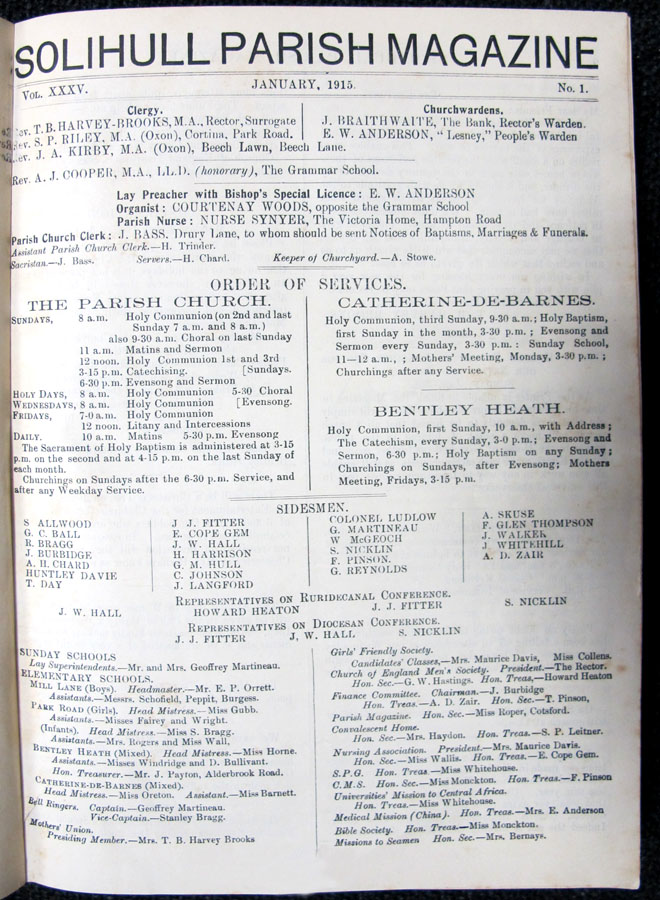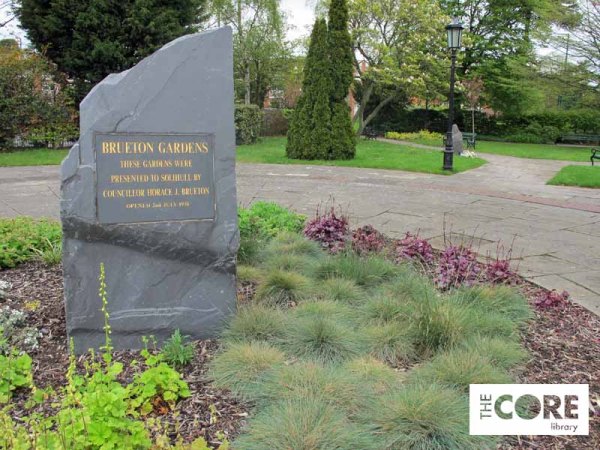
2nd July 1938 – opening of Brueton Gardens

The official opening of Brueton Gardens on the corner of Warwick Road and Lode Lane, Solihull took place at 11am on 2nd July 1938.

The land, opposite Poplar Road, had previously been occupied by a house called The Poplars, which had been home to Doris Hamilton-Smith, an artist and pupil of Edith Holden (the “Edwardian Lady” whose nature diary was posthumously published in 1977).

Continue reading “2nd July 1938 – opening of Brueton Gardens”
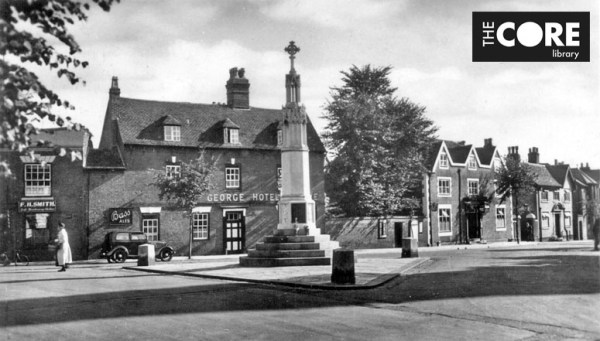
Opening of Solihull Cemetery 1917

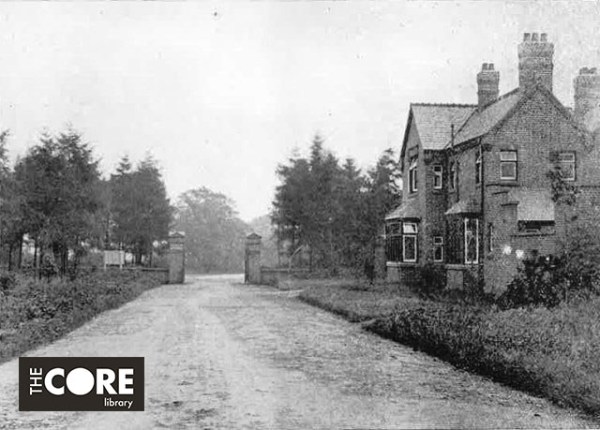
26th September 1917 saw the official opening of Solihull Cemetery, described in the opening brochure as being at the junction of Robin Hood Road and Olton Road, although the cemetery’s address is now usually given as Streetsbrook Road.

The 42-acre-site was chosen as the most suitable place for a cemetery, as it is “easy of access from all parts and is sufficiently removed from the residential districts not to be in any way detrimental to the same.”

Continue reading “Opening of Solihull Cemetery 1917”

A wartime marriage

100 years ago two cousins in their 30s met for the first time in Solihull and fell in love.

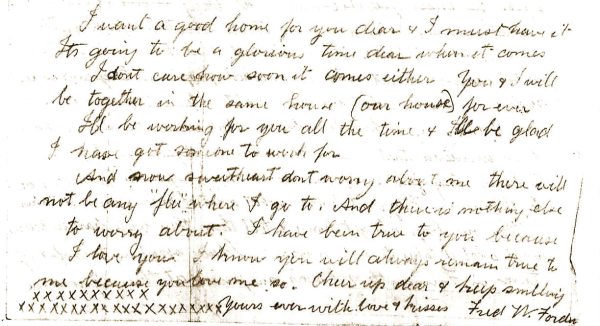
At the Core Library, Solihull, we have photocopies of some letters written by an Australian First World War soldier – Private Frederick William Forder – from a convalescent hospital in England in 1916 and on board a ship home to Australia in 1919 (our ref.: D125).

The letters were sent to his wife, Edith Forder (née Hobbins) whom he had married at St Alphege Church, Solihull on 5th June 1918. It seems that after six months of married life in England, the couple were parted when Frederick returned to Australia in January 1919, and they never saw each other again.

Continue reading “A wartime marriage”

Berkswell Rectory Red Cross Auxiliary Hospital

Berkswell Rectory was used as an Auxiliary Hospital during the First World War. These hospitals for wounded soldiers were administered by the British Red Cross Society, and were used as convalescence hospitals – a stepping stone between treatment at a general hospital and discharge home.

The Red Cross had set up Voluntary Aid Detachments (V.A.D.) in each county to provide supplementary aid to the Territorial Forces Medical Services in the event of war. Members came to be known as ‘V.A.D.s’ and were all trained in first aid and nursing.

Continue reading “Berkswell Rectory Red Cross Auxiliary Hospital”

V. E. Day in Solihull, 1945

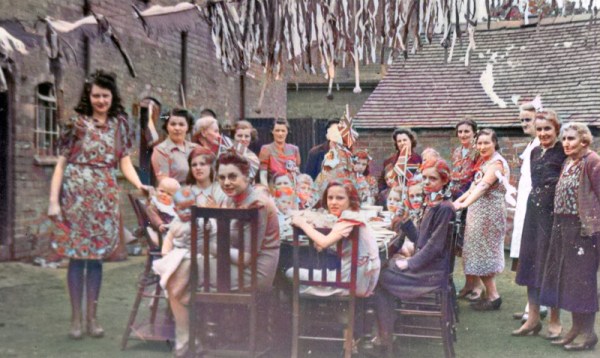
Tuesday 8th May 1945, Victory in Europe Day, saw much rejoicing as the fighting in Europe officially came to an end and some of the men held as prisoners of war started to return home. At 3pm on Monday 7th May Prime Minister Winston Churchill made the official announcement that the following two days would be public holidays. However, it’s clear from newspaper articles in the Warwick County News that people were very mindful that war with Japan was still ongoing. The newspaper summed up the local celebrations as:

“typical of others throughout the land where people had gathered together to give thanks that the nightmare of the last grey years was over, and, while remembering that men in far distant lands were still in danger of their lives, to enjoy the day that their individual effort had made particularly their own” (Warwick County News, 12th May 1945)

Continue reading “V. E. Day in Solihull, 1945”

Blog at WordPress.com.

Up ↑