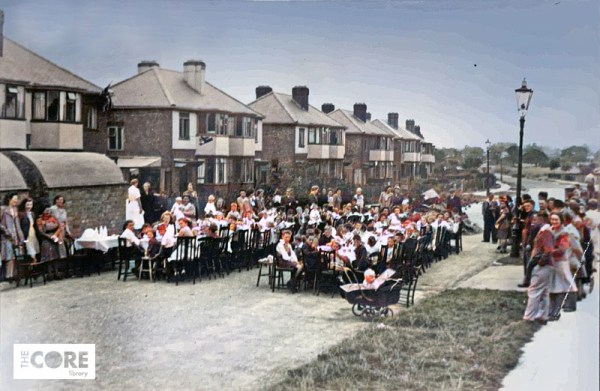
Evacuees’ School, Herbert Road, Solihull
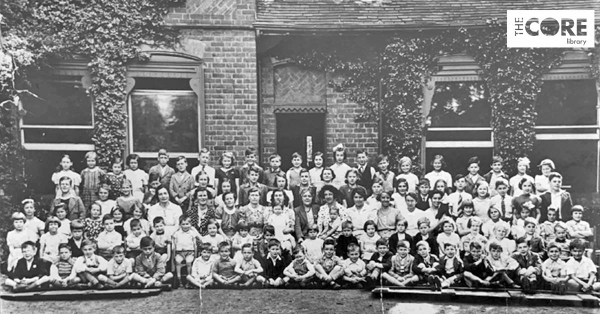
Shortly after the devastating blitz of Coventry on 14th/15th November 1940, Miss Caroline (“Carrie”) Amelia Morgan (1889-1963), Headmistress of Moseley Avenue School, Coventry, together with a small group of teachers, brought a party of 160 children aged 2-14 to Solihull. The children were billeted in foster homes and, a few weeks after their arrival, schooling began to be provided.

Continue reading “Evacuees’ School, Herbert Road, Solihull” →

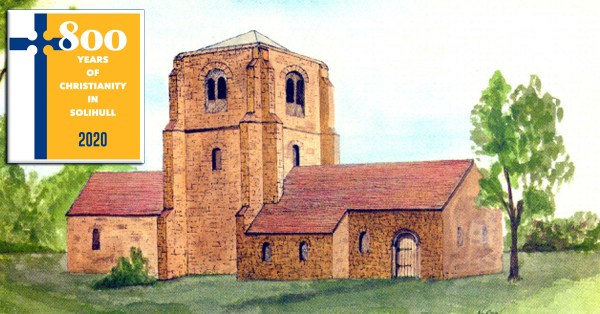
St Alphege 800

In April 2020 the Heritage Gallery at the Core was meant to house an exhibition celebrating the 800th anniversary of St Alphege Church. The St Alphege 800 Steering Group co-ordinated information from a variety of Christian organisations within Solihull parish to celebrate 800 years of Christianity in the district.

Continue reading “St Alphege 800” →

6th October 1920

Sergeant Robert Lyford Radford died in Birmingham on 6th October 1920 and is buried at Robin Hood Cemetery, Solihull. He was born in Bridgwater, Somerset in 1890 and was the fourth of six children of parents Robert Job (a clay worker/potter) and Frances Eliza (née Lyford) who had married in Cheltenham in 1880. Tragically, two of the children – Frances Eliza (1885-1885) and Percy Norman (1894-1895) died as infants.

Continue reading “6th October 1920” →

30th September 1920

Lieutenant Ralph Heaton Ward, King’s Own Yorkshire Light Infantry, died in Durham on 30th September 1920. aged 38. He was born in Solihull on 1st June 1882 and was baptised at St Alphege Church, Solihull exactly one month later. His parents were Henry Arthur Ward, a master gunmaker, and Fanny Jane (née Heaton) who had married in Solihull in 1878.

Continue reading “30th September 1920” →

Malvern Hall and the Greswold, Lewis and Wigley families

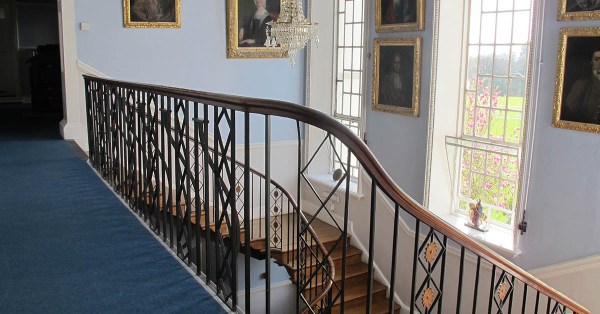
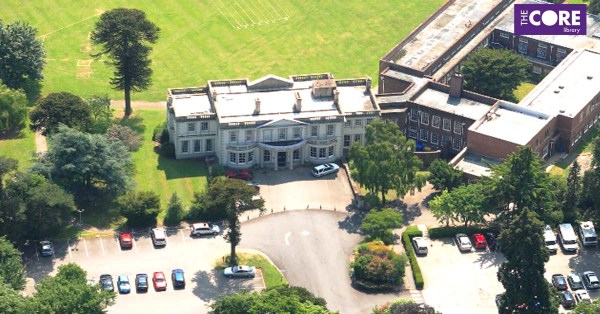
Malvern Hall was built some 300 years ago on the site of Malvern Farm. The name comes from the de Malverne family who owned an estate on this site in the early 14th century (Welcome to Solihull by Joy Woodall and Mollie Varley, 1984). John Burman, writing in the Birmingham Weekly Post, 12th March 1954, noted that there was little doubt that the name was taken from Simon de Malvern, a “substantial resident” of Solihull in 1332.

Continue reading “Malvern Hall and the Greswold, Lewis and Wigley families” →

26th August 1920

On 26th August 1920, 23-year-old farmer’s assistant, George White, died of tuberculosis in Bramcote Sanatorium, near Nuneaton, two years after the death of his younger brother on active service.

Bramcote Hospital had opened in 1907 as a smallpox hospital but, as there had not been a case treated there by 1912, it was converted in 1913 into a sanatorium for the treatment of those with consumption.

Continue reading “26th August 1920” →

V. J. Day in Solihull, 1945

V. J. Day, 15th August 1945, marked the day when the Second World War effectively came to an end as Japan surrendered and all hostilities ceased.

The Warwick County News, 18th August 1945, summarised local events with the headline “Neighbourly co-operation was the keynote of Solihull’s VJ-Day celebrations” and the observation that the day was marked by a “mood of quiet thanksgiving or in the exuberant relief of pent-up feelings according to age or nature.”

Continue reading “V. J. Day in Solihull, 1945” →

Blog at WordPress.com.

Up ↑