St Alphege 800

In April 2020 the Heritage Gallery at the Core was meant to house an exhibition celebrating the 800th anniversary of St Alphege Church. The St Alphege 800 Steering Group co-ordinated information from a variety of Christian organisations within Solihull parish to celebrate 800 years of Christianity in the district.

Continue reading “St Alphege 800”

30th September 1920

Lieutenant Ralph Heaton Ward, King’s Own Yorkshire Light Infantry, died in Durham on 30th September 1920. aged 38. He was born in Solihull on 1st June 1882 and was baptised at St Alphege Church, Solihull exactly one month later. His parents were Henry Arthur Ward, a master gunmaker, and Fanny Jane (née Heaton) who had married in Solihull in 1878.

Continue reading “30th September 1920”

Malvern Hall and the Greswold, Lewis and Wigley families

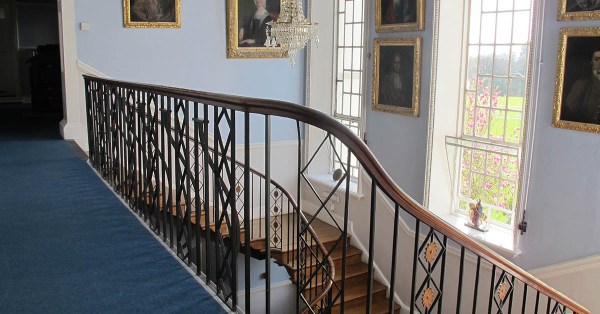
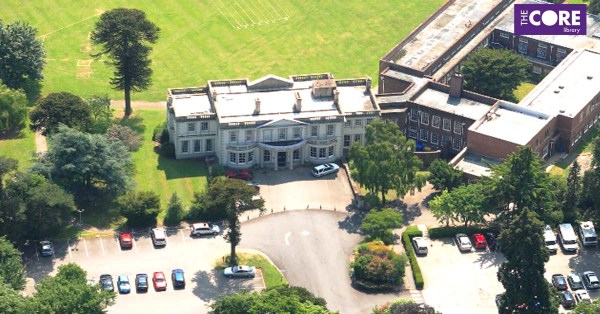
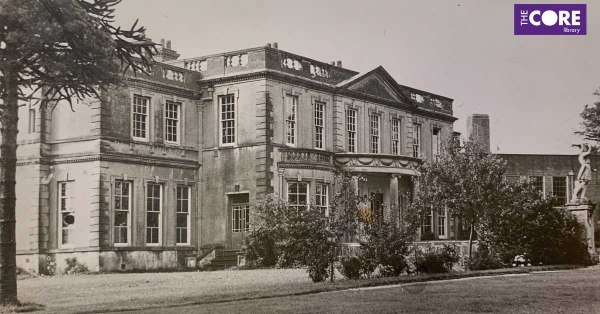
Malvern Hall was built some 300 years ago on the site of Malvern Farm. The name comes from the de Malverne family who owned an estate on this site in the early 14th century (Welcome to Solihull by Joy Woodall and Mollie Varley, 1984). John Burman, writing in the Birmingham Weekly Post, 12th March 1954, noted that there was little doubt that the name was taken from Simon de Malvern, a “substantial resident” of Solihull in 1332.

Continue reading “Malvern Hall and the Greswold, Lewis and Wigley families”

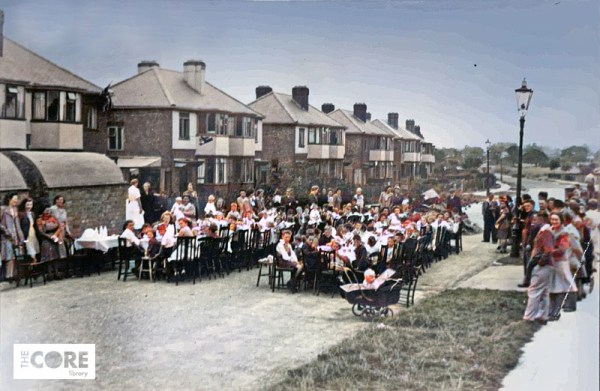
V. J. Day in Solihull, 1945

V. J. Day, 15th August 1945, marked the day when the Second World War effectively came to an end as Japan surrendered and all hostilities ceased.

The Warwick County News, 18th August 1945, summarised local events with the headline “Neighbourly co-operation was the keynote of Solihull’s VJ-Day celebrations” and the observation that the day was marked by a “mood of quiet thanksgiving or in the exuberant relief of pent-up feelings according to age or nature.”

Continue reading “V. J. Day in Solihull, 1945”

Schools at Malvern Hall

On 13th July 1990 the official opening took place of the new Sixth Form block at Saint Martin’s Girls’ School. The Sixth Form occupied the site of the former stables at Malvern Hall, adjacent to the former Solihull Lido in Malvern Park.

Saint Martin’s School had moved to Malvern Hall, Solihull in 1989 and was the third school to occupy the historic site – the previous two being Solihull High School for Girls (1931-1974) and Malvern Hall Comprehensive School (1974-1989).

On 1st September 2020, Saint Martin’s School merged with Solihull School, so Malvern Hall now houses its fourth educational establishment – Solihull Preparatory School. It seems timely to look back at the schools that have occupied this stately home over the last 70 years. 

Continue reading “Schools at Malvern Hall”

A 1930s marriage of convenience

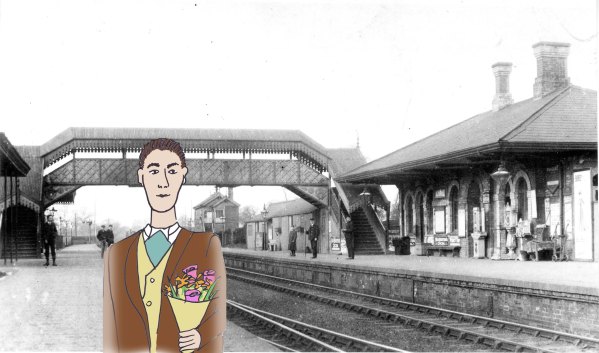
On 20th May 1936, what we would now call a sham marriage, or a marriage of convenience, took place at the office of Solihull’s Superintendent Registrar, which was then situated above shops on the corner of Warwick Road and Poplar Road in Solihull.

The groom was a gay writer living in Dorridge and the bride was a German-Jewish actress. The reason for the marriage was simply to enable the bride to obtain British citizenship. The couple hadn’t met each other before their wedding day and couldn’t actually speak the same language. They remained married for the rest of their lives although they never lived together.

Continue reading “A 1930s marriage of convenience”

Ode for Solihull

On 21st May 2019, in a Poetry On Loan funded event, poet Giovanni Esposito –  a.k.a. “Spoz” – joined library staff and members of the public on a guided walk around the historic heart of the old Solihull village.

After the walk, the participants returned to the Core for a well-earned break and a chat about Solihull’s history, looking at some of the thousands of old photographs in the library’s Heritage & Local Studies collections. Spoz then wrote a poem incorporating people’s suggestions and his own reflections on the local history of Solihull.

Continue reading “Ode for Solihull”

Coronation Day 1937

Wednesday 12th May 1937 saw the coronation at Westminster Abbey in London of King George VI and Queen Elizabeth. The date had been chosen for the coronation of King Edward VIII who had become king on the death of his father George V in January 1936. Although Edward VIII’s abdication in December resulted in a new king and queen on the throne, the coronation date of 12th May was retained.

In Solihull, the event was marked by a three-day carnival, which ran into the Whitsuntide weekend, and many of the villages now in the borough held their own celebrations.

Continue reading “Coronation Day 1937”

Blog at WordPress.com.

Up ↑