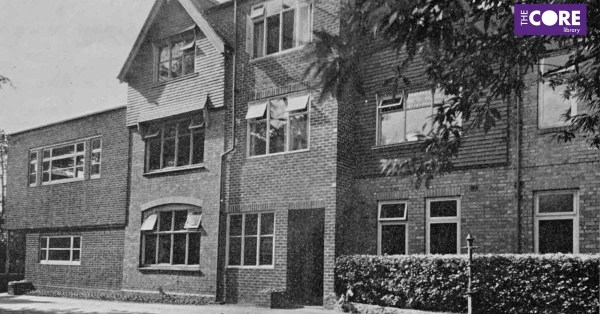
Sharmans Cross Senior School was built in 1933 and opened to pupils on 9th January 1934 under headmaster Edgar James Phillipps Orrett (1882-1967). Children aged over 11 from Solihull, Olton and Shirley were transferred from existing all-age elementary schools on this date, with the schools they left then all becoming junior schools.
Continue reading “Sharmans Cross Senior Schools”Elmdon C of E School
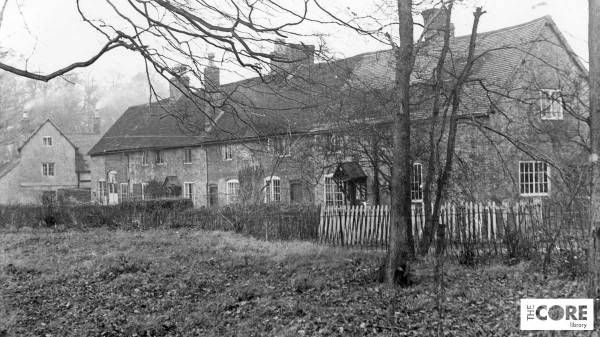
The elementary school in the grounds of Elmdon Park closed for the final time on Christmas Eve, 1943. The entry in the school log book notes the closure for Christmas but it seems that the school never actually reopened. There had been five juniors and 12 infants on the school roll on 10th December 1943, with only 80 per cent of the juniors attending school, and 31.6 per cent of the infants. The following week there were only 10 children registered.
Continue reading “Elmdon C of E School”Coade stone statues at Malvern Hall
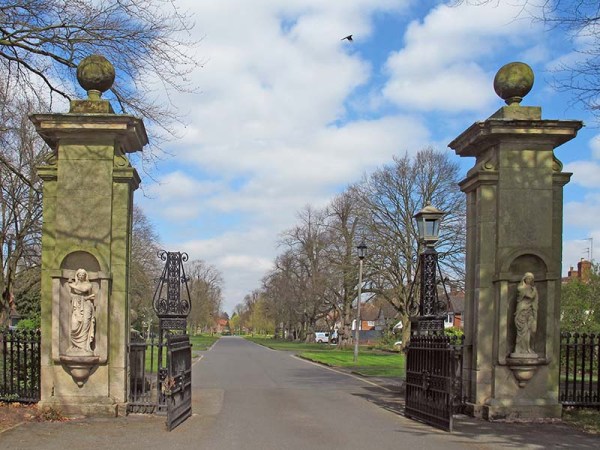
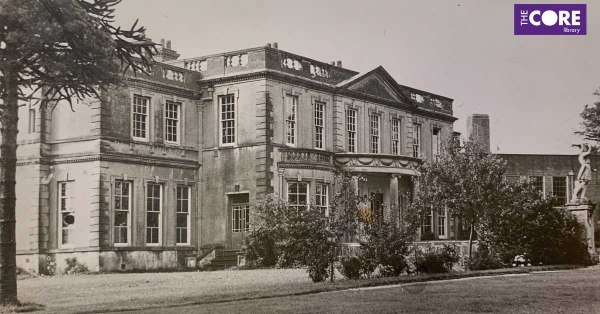
In April 1819, two pairs of Coade stone statues arrived at Malvern Hall, Solihull, following a journey from London by canal. Malvern Hall was the home of Henry Greswolde Lewis, a patron of John Constable who, in December 1818, had ordered the statues from the London firm established by Eleanor Coade.
Continue reading “Coade stone statues at Malvern Hall”Windylow School
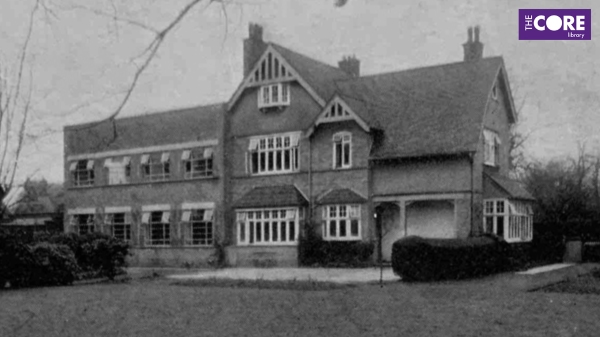
Windylow School, which came to occupy nos. 909, 911 and 913 Warwick Road, Solihull was founded with seven pupils in 1938 by schoolteachers Miss [Millicent] Joyce Hoggart-Hill (1911-1999) and Miss Madge F. K. Bagnall (1906-2003). Windylow closed on 18th December 1962 after 24 years as a result of the retirement of the principals.
Continue reading “Windylow School”Cedarhurst
It looks as if Cedarhurst, Park Road, Solihull was built in the mid-1890s and was demolished around 1973. A building control plan at the Core Library Solihull (ref.: SOL/PS/1/1/647), dated March 1894, depicts one detached villa in Park Road, opposite Malvern House, which appears to be Cedarhurst, although not named as such.
The plan shows that the property was designed by architect John Henry Hawkes and built by Charles Bragg. The owner was Edward Bottomley, a grocer from Deritend, Birmingham.
Maengwynedd Outdoor Education Centre
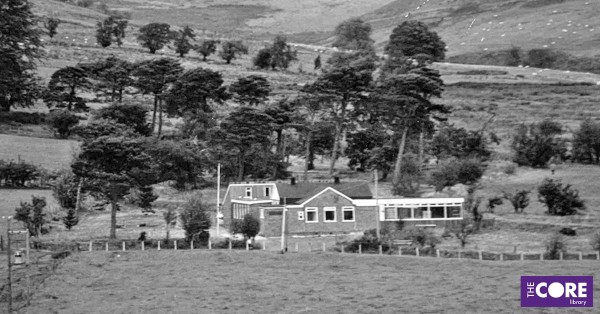
The outdoor education centre was the former Maengwynedd County Primary School in Llanrhaeadr-ym-Mochnant, Denbighshire, Wales, which was situated in the foothills of the Berwyn mountain range.
Continue reading “Maengwynedd Outdoor Education Centre”Special education in Solihull
Until Solihull became a County Borough Council on 1st April 1964, the provision of state education in the area was the responsibility of Warwickshire County Council. We’re aware of five special schools in the Solihull urban/metropolitan district, catering for children with physical or learning disabilities:
- Tudor Grange (later Swanswell)
- Reynalds Cross
- Forest Oak
- Hazel Oak
- Merstone
In addition, there was also a special school at nearby Packwood Haugh, Warwickshire.
Schools at Malvern Hall
On 13th July 1990 the official opening took place of the new Sixth Form block at Saint Martin’s Girls’ School. The Sixth Form occupied the site of the former stables at Malvern Hall, adjacent to the former Solihull Lido in Malvern Park.
Saint Martin’s School had moved to Malvern Hall, Solihull in 1989 and was the third school to occupy the historic site – the previous two being Solihull High School for Girls (1931-1974) and Malvern Hall Comprehensive School (1974-1989).
On 1st September 2020, Saint Martin’s School merged with Solihull School, so Malvern Hall now houses its fourth educational establishment – Solihull Preparatory School. It seems timely to look back at the schools that have occupied this stately home over the last 70 years.
Continue reading “Schools at Malvern Hall”Tudor Grange Special School
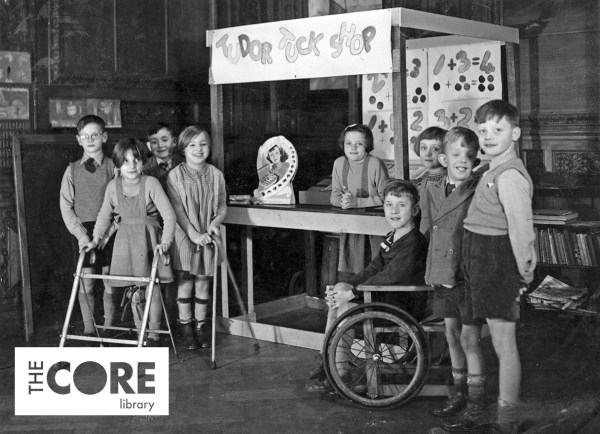
Throughout December 2017, there was an exhibition in the Heritage Gallery on the first floor of The Core, Theatre Square, Solihull relating to Tudor Grange Special School, which provided residential and day accommodation for children with physically disabling conditions such as polio and cerebral palsy.
1st July 1916 – Solihull and Shirley
Seven men with a connection to Solihull or Shirley are known to have died on 1st July 1916:
-
-
- Private James Burton, Middlesex Regiment
- Private Harold Clifton, Royal Warwickshire Regiment
- Private Frederick Percy Cooper, Royal Warwickshire Regiment
- Second Lieutentant William Henry Furse, Northumberland Fusiliers
- Private John Palmer Lyndon, Royal Warwickshire Regiment
- Private Richard James Smith, Royal Warwickshire Regiment
- Private James Webster, Royal Warwickshire Regiment
-