On 9th February 1945, medical history was made at Solihull when a newborn baby, Rosalind Shelley (1945-1990), was given a complete blood transfusion five minutes after her birth, which took place at Netherwood Maternity Ward, Solihull Hospital. This is believed to have been the first time in the world that the blood of a so-called “blue baby” was changed at birth.
Continue reading “A life-saving operation at Solihull, 1945”[New] Berry Hall
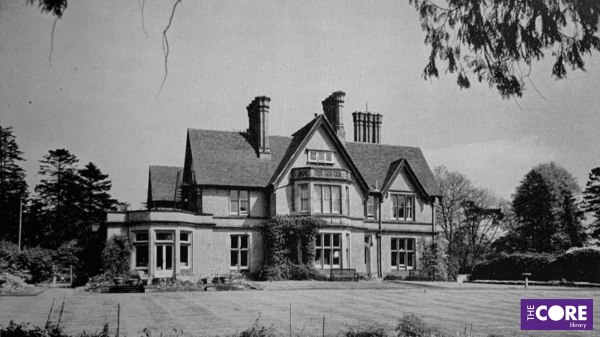
Berry Hall is a name that has been used for two different buildings in Solihull. The name originally referred to the 15th-century half-timbered farm house on Ravenshaw Lane. However, this building was renamed Berry Hall Farm after the estate was bought by Birmingham steel pen-nib manufacturer, Joseph Gillott (junior), from Henry Ludlow on 21st January 1867.
Joseph Gillott transferred the Berry Hall name to a new mansion which was designed for him by architect Julius Alfred Chatwin. Work on the new house apparently began in 1870 and was completed in 1880.
Continue reading “[New] Berry Hall”Coade stone statues at Malvern Hall
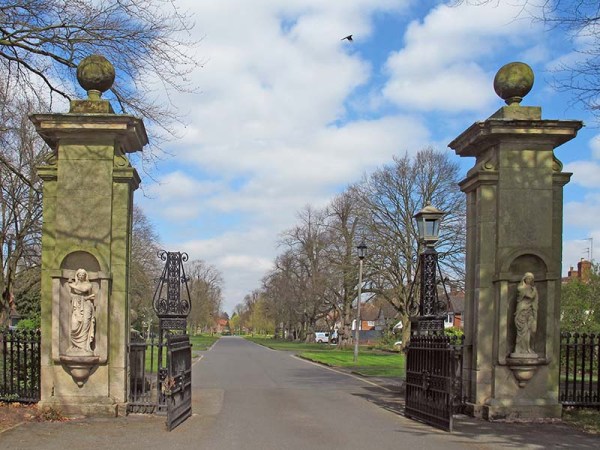
In April 1819, two pairs of Coade stone statues arrived at Malvern Hall, Solihull, following a journey from London by canal. Malvern Hall was the home of Henry Greswolde Lewis, a patron of John Constable who, in December 1818, had ordered the statues from the London firm established by Eleanor Coade.
Continue reading “Coade stone statues at Malvern Hall”Windylow School
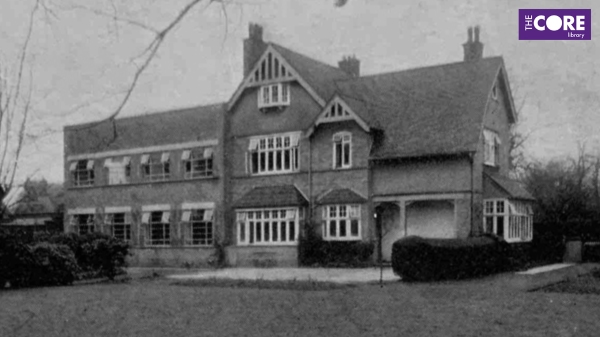
Windylow School, which came to occupy nos. 909, 911 and 913 Warwick Road, Solihull was founded with seven pupils in 1938 by schoolteachers Miss [Millicent] Joyce Hoggart-Hill (1911-1999) and Miss Madge F. K. Bagnall (1906-2003). Windylow closed on 18th December 1962 after 24 years as a result of the retirement of the principals.
Continue reading “Windylow School”Totehill, Blossomfield Road, Solihull
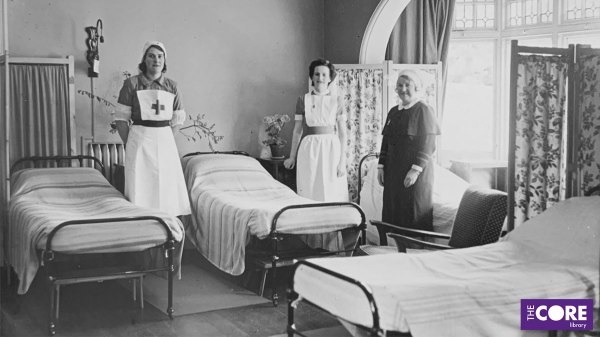
On 15th November 1940, a new Red Cross Auxiliary Hospital opened at Totehill, Blossomfield Road, Solihull. The house was built during 1901/2 and was originally the home of Stephen William Challen (1842-1937) of the Birmingham engineering firm, Taylor and Challen. It became a Red Cross convalescent home during the Second World War and was subsequently known as Red Cross House.
Continue reading “Totehill, Blossomfield Road, Solihull”Solihull’s first Meals on Wheels

On 31st October 1961, the first delivery from Solihull’s Women’s Voluntary Service (WVS) Meals on Wheels service was made to 78-year-old twins, Annie and Ethel Blizzard. The sisters had served Solihull as greengrocers from their shop in the High Street but the Solihull News of 4th November 1961 said it was now their turn to be the customers.
Continue reading “Solihull’s first Meals on Wheels”Augmented Reality and local history

Those of you who came along to the Solihull: Back to the Future event at the Core Theatre on 17th September, will have seen our Augmented Reality (AR) pilot, which saw us project an augmented reality version of Solihull Manor House in 1948 onto an apparently empty table. It’s now available for you to have a go with yourself…
Continue reading “Augmented Reality and local history”Solihull Virtual High Street 1948
The Solihull: Back to the Future event at the Core Theatre, Solihull on 17th September 2021 included the World Premiere of a short video showing Solihull High Street’s shops as you’ve never seen them before. That’s unless you were around in 1948…
Continue reading “Solihull Virtual High Street 1948”High Street supermarkets, Solihull

On 25th July 1961, a new Burton’s supermarket opened in High Street, Solihull in the building that is now occupied by the Paramo Lounge and the Works.
Described in the Solihull News, 26th August 1961, as being “the most up-to-date building in Solihull’s old world High Street,” the “colourful” supermarket met with a mixed reaction from shoppers, with letter-writers to the newspaper professing themselves “shocked.” One housewife described the colours of the shop front as “garish” and said that the character of the High Street had now been ruined.
Continue reading “High Street supermarkets, Solihull”Cedarhurst
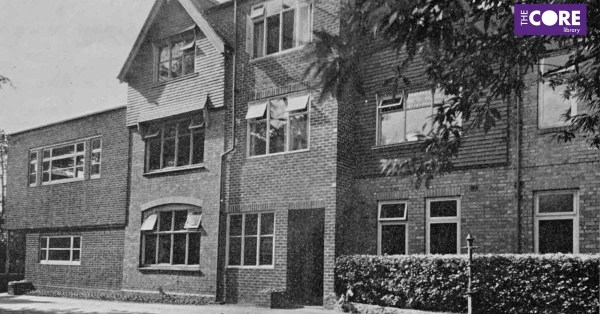
It looks as if Cedarhurst, Park Road, Solihull was built in the mid-1890s and was demolished around 1973. A building control plan at the Core Library Solihull (ref.: SOL/PS/1/1/647), dated March 1894, depicts one detached villa in Park Road, opposite Malvern House, which appears to be Cedarhurst, although not named as such.
The plan shows that the property was designed by architect John Henry Hawkes and built by Charles Bragg. The owner was Edward Bottomley, a grocer from Deritend, Birmingham.
 Solihull Life