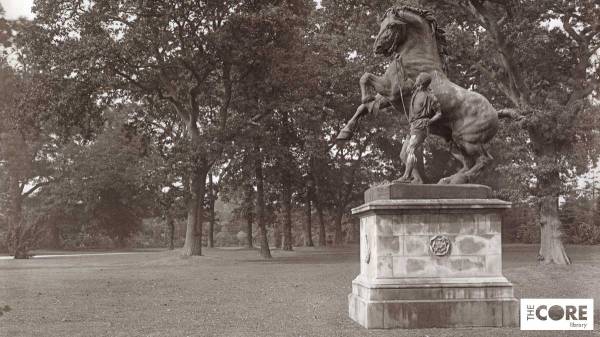
The Grade II-listed hollow bronze statue in Malvern Park is by notable Victorian sculptor Joseph Edgar Boehm (1834-1890) and was cast by H. Young & Co., Pimlico. Boehm was born in Austria to Hungarian parents but settled in England in 1862 and became a British subject three years later. He became the favourite sculptor of the Royal Family. The Horse and His Master statue was created in 1874 and from c.1904-1953 it stood on the lawn in front of Tudor Grange (as pictured above c.1910) before its removal to Malvern Park.
Continue reading ““Horse and His Master” statue”Northmede
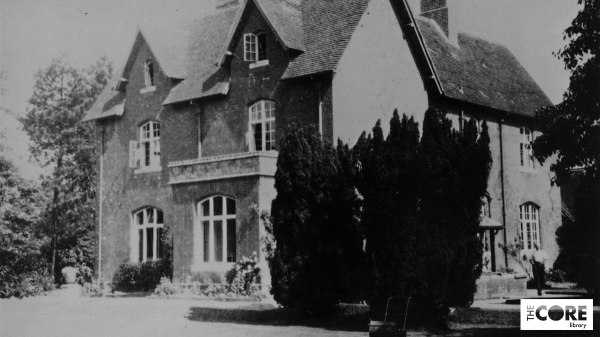
Northmede was a Victorian house that stood in grounds between Station Road and Warwick Road, Solihull. Built in the mid-19th century as a private house, the building became Solihull Nursing Home in the early 20th century before being demolished in the late 1950s/early 1960s.
Continue reading “Northmede”SOL 1: Solihull’s Mayoral Limousine
The history of Solihull Council’s Mayoral vehicle (“SOL 1”) is a long and interesting one and coincides with Solihull becoming a Borough in 1954. Being a Borough meant that Solihull would also have a Mayor for this first time. It was usual practice for Boroughs to have a Mayoral limousine in which the Mayor would be driven to official engagements.
Continue reading “SOL 1: Solihull’s Mayoral Limousine”Bombing raids in Solihull Urban District
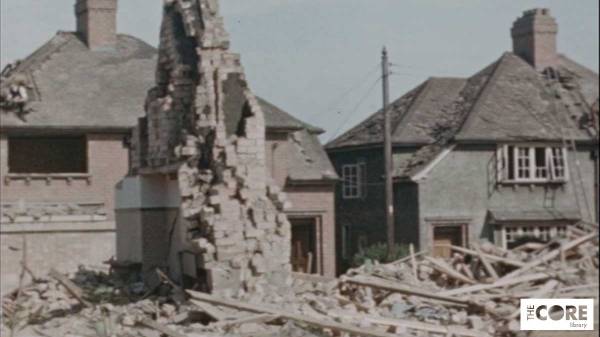
Although suffering only a few bombing raids compared with Birmingham, Solihull Urban District did sustain some bomb damage and dozens of people were killed in air raids.
Continue reading “Bombing raids in Solihull Urban District”Solihull & The Commonwealth Games
As a number of the Birmingham 2022 events are being held within the Solihull borough, it seemed timely to have a look at people with a connection to Solihull who have competed in the Commonwealth Games since it started in 1930 as the British Empire Games.
Continue reading “Solihull & The Commonwealth Games”Solihull Coronation Festivities 1953
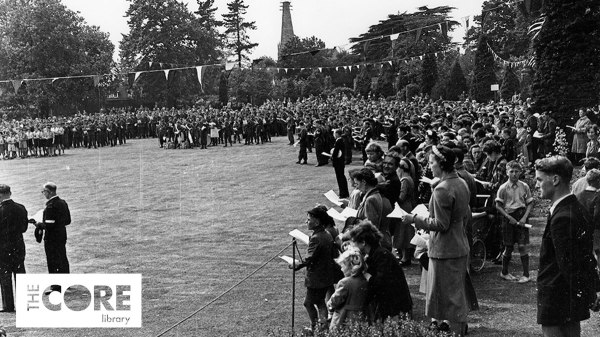
Solihull’s Coronation celebrations were spread over several weeks in 1953, rather than all taking place on Coronation Day itself – Tuesday 2nd June 1953.
Continue reading “Solihull Coronation Festivities 1953”The Queen opens Solihull Civic Hall
On Friday 25th May 1962, Her Majesty Queen Elizabeth II visited Solihull – apparently the first official visit of a reigning monarch to the town. She officially opened the new Solihull Civic Hall before visiting Solihull Hospital and then going onto Solihull School, which was celebrating its 400th anniversary.
Continue reading “The Queen opens Solihull Civic Hall”Cicely Annie Lucas (1879-1970)
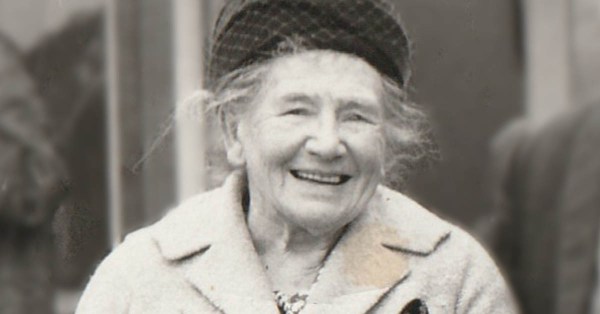
The story of Cicely (pronounced Size-ly) Lucas (née Neale) is the fascinating record of a woman who overcame a troubled childhood, stood up for women’s rights, and achieved her ambition to become a teacher who could make a real difference to her pupils’ lives. She was outspoken, a woman of strong principles and opinions, sometimes overpowering in her manner and often admired rather than liked, but she inspired love and respect from her students and was well regarded in her local community.
Continue reading “Cicely Annie Lucas (1879-1970)”Military funeral of Lieut G. G. Cates
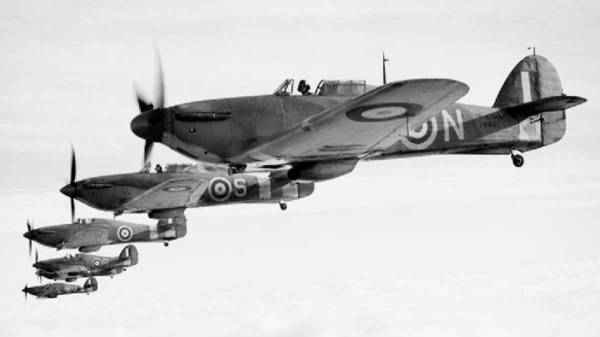
Lieutenant Gerald George Cates of the headquarters company of Solihull Home Guard (5th Warwickshire), died in Shaftesbury Military Hospital on 20th April 1942 after suffering an abdominal injury during a battle exercise at Imberdown, near Warminster, on Salisbury Plain. He was 44 years old and was one of some 25 officers and men who died as a result of the Imber “friendly fire” incident on 13th April 1942 when a Hawker Hurricane fighter plane (similar to those pictured above) taking part in a demonstration accidentally opened fire on a crowd of spectators.
Continue reading “Military funeral of Lieut G. G. Cates”Harry Ellard (1897-1983)
I joined Compton Verney Art Gallery in 2008 as a Gallery Assistant because, although I am an historian, I have always loved art. Compton Verney seemed a treasure house in which to explore and satisfy my never-ending curiosity.
Continue reading “Harry Ellard (1897-1983)”