Inter-war council housing in Solihull

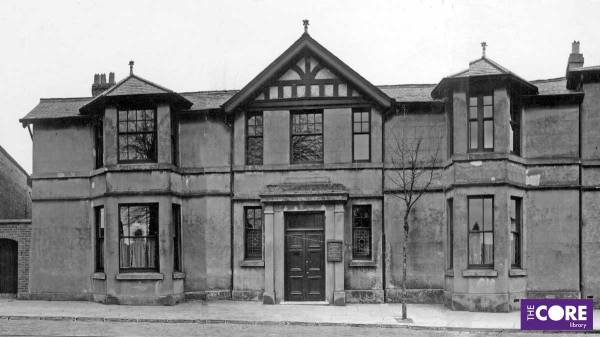
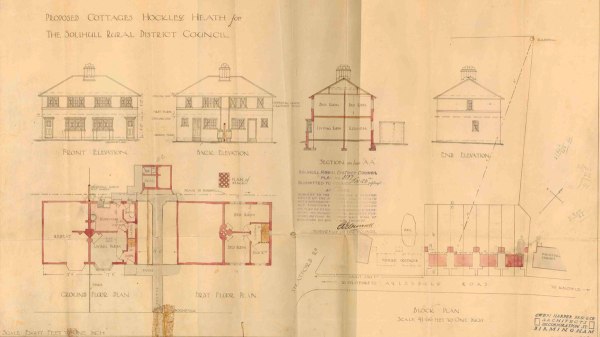
Prior to the late 19th century, housing options were limited to owning property or, as most people did, renting from a private landlord. The Housing of the Working Classes Act 1890 allowed local authorities in London to build council houses, and the first council housing was built in Bethnal Green in 1896. The Housing of the Working Classes Act 1900 extended this to the rest of the country, although it took a further 25 years for the first council houses to be built in Solihull Rural District.

Continue reading “Inter-war council housing in Solihull”

Arthur Stokes (1871-1953), signalman

Arthur Stokes was born in Birmingham on 19th February 1871 and was the second of the six children of parents, Peter, a carter, and Ann (née Humphreys) who had married in Bordesley in 1867. He started work on the railways at the age of 13, and spent 44 years as a signalman at Solihull Station. In 1936, he published his memoir, the proceeds of which went towards the Solihull Methodist Church Building Fund.

Continue reading “Arthur Stokes (1871-1953), signalman”

Olton Remembers the First World War

During the Solihull Remembers project to commemorate each of the Borough’s First World War casualties on the centenary of their death, library staff worked with researchers from across the Borough, including a team from St Margaret’s Church, Olton. The names of the 52 men on the war memorial in the church were researched. It was found that there were at least 30 other casualties with a local connection whose names were not included on the memorial.

Continue reading “Olton Remembers the First World War”

11th April 1921

On 11th April 1921, Patrick Larkin, formerly a Private with the Royal Army Ordnance Corps, died of tuberculosis at 6 Back 60, Bordesley Street, Birmingham. He was 25 years old and, according to his death certificate, had had TB for 12 months before his death. The local connection with Solihull is that he is buried at Olton Franciscan Friary.

Continue reading “11th April 1921”

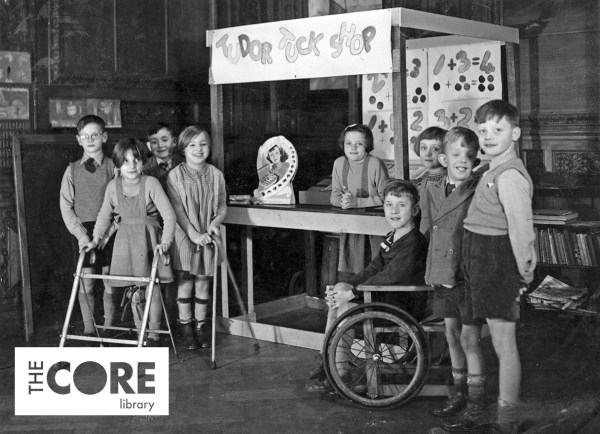
Special education in Solihull

Until Solihull became a County Borough Council on 1st April 1964, the provision of state education in the area was the responsibility of Warwickshire County Council. We’re aware of five special schools in the Solihull urban/metropolitan district, catering for children with physical or learning disabilities:

  • Tudor Grange (later Swanswell)
  • Reynalds Cross
  • Forest Oak
  • Hazel Oak
  • Merstone

In addition, there was also a special school at nearby Packwood Haugh, Warwickshire.

Continue reading “Special education in Solihull”

V. J. Day in Solihull, 1945

V. J. Day, 15th August 1945, marked the day when the Second World War effectively came to an end as Japan surrendered and all hostilities ceased.

The Warwick County News, 18th August 1945, summarised local events with the headline “Neighbourly co-operation was the keynote of Solihull’s VJ-Day celebrations” and the observation that the day was marked by a “mood of quiet thanksgiving or in the exuberant relief of pent-up feelings according to age or nature.”

Continue reading “V. J. Day in Solihull, 1945”

Blog at WordPress.com.

Up ↑