For Remembrance Day 2025, Solihull Libraries are encouraging people to complete a Remembrance Card to commemorate a loved one who served in the Armed Forces. It could be an ancestor who died or served during wartime, or someone whose military service included only peacetime operations.
Continue reading “Solihull Remembers”Sharmans Cross Senior Schools
Sharmans Cross Senior School was built in 1933 and opened to pupils on 9th January 1934 under headmaster Edgar James Phillipps Orrett (1882-1967). Children aged over 11 from Solihull, Olton and Shirley were transferred from existing all-age elementary schools on this date, with the schools they left then all becoming junior schools.
Continue reading “Sharmans Cross Senior Schools”“Old Billy” helps Solihull’s Salute the Soldier Week, 1944
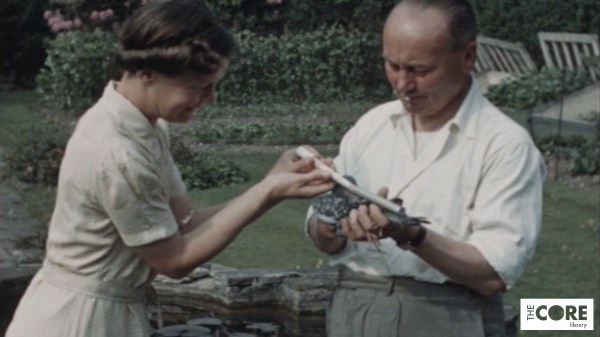
On 22nd May 1944, a 16-year-old carrier pigeon known as “Old Billy,” travelling at around 60mph, flew into Solihull bearing a cheque for £1,000. The pigeon, owned by Albert James Wager (1880-1947) of 338, Blossomfield Road, was one of the “heroes” of Solihull’s “Salute the Soldier” week, part of a national savings campaign to raise money for field hospitals and military equipment.
Continue reading ““Old Billy” helps Solihull’s Salute the Soldier Week, 1944″Sgt Cecil Francis Beechey (1920-1943)
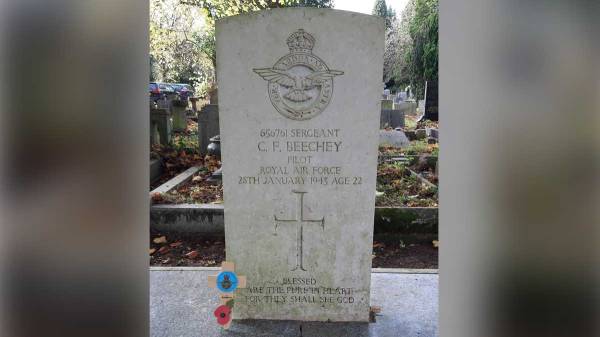
On 28th January 1943 22-year-old Pilot Sgt Cecil Francis Beechey 656761, a pilot with 197 Squadron RAF, was killed when the tail of his Typhoon IB DN364 broke off and the aircraft crashed in East Linton, East Lothian, Scotland. His family home was in Hall Green and he was buried at Robin Hood Cemetery, Solihull on 4th February 1943.
Continue reading “Sgt Cecil Francis Beechey (1920-1943)”British Legion War Memorial, Solihull Cemetery
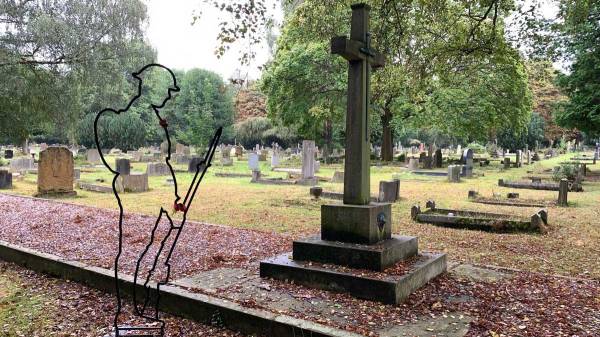
At 3pm on 16th October 1938, a war memorial erected by the Solihull, Shirley, and Olton branches of the British Legion was unveiled at Robin Hood Cemetery. The intention was that the The Old Comrades’ grave would provide “a resting-place for old soldiers who die friendless or whose relatives cannot afford the cost of private burial.”
Continue reading “British Legion War Memorial, Solihull Cemetery”Jake Jacob: “nothing was easy”
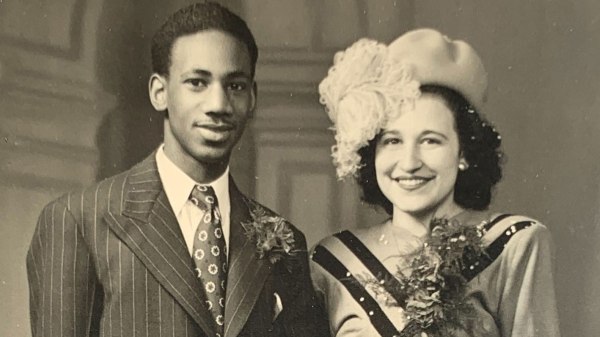
Born in Trinidad in 1925, Prince Albert Jacob left his homeland at the age of 17½ to serve with the Royal Air Force in the Second World War. Returning to Britain after being demobbed, he worked hard and overcame enormous difficulties, including discrimination and racial abuse, to have a successful career with the Post Office and represent Great Britain in athletics. After living in various Midlands towns since 1948, he and his wife settled in Knowle where they have lived for almost 50 years.
Continue reading “Jake Jacob: “nothing was easy””Bombing raids in Solihull Urban District
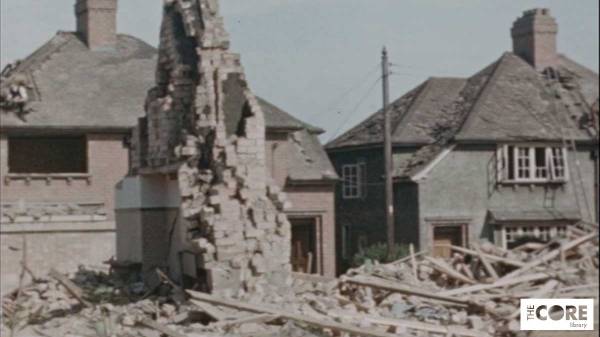
Although suffering only a few bombing raids compared with Birmingham, Solihull Urban District did sustain some bomb damage and dozens of people were killed in air raids.
Continue reading “Bombing raids in Solihull Urban District”Military funeral of Lieut G. G. Cates
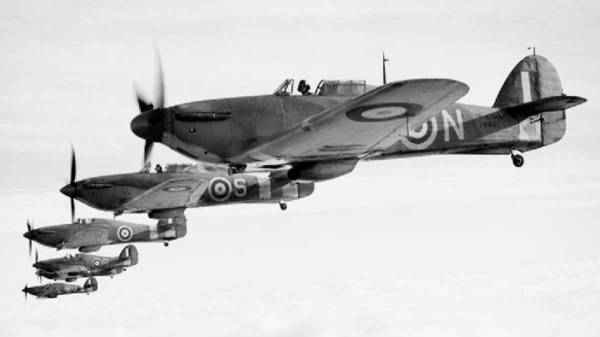
Lieutenant Gerald George Cates of the headquarters company of Solihull Home Guard (5th Warwickshire), died in Shaftesbury Military Hospital on 20th April 1942 after suffering an abdominal injury during a battle exercise at Imberdown, near Warminster, on Salisbury Plain. He was 44 years old and was one of some 25 officers and men who died as a result of the Imber “friendly fire” incident on 13th April 1942 when a Hawker Hurricane fighter plane (similar to those pictured above) taking part in a demonstration accidentally opened fire on a crowd of spectators.
Continue reading “Military funeral of Lieut G. G. Cates”Totehill, Blossomfield Road, Solihull
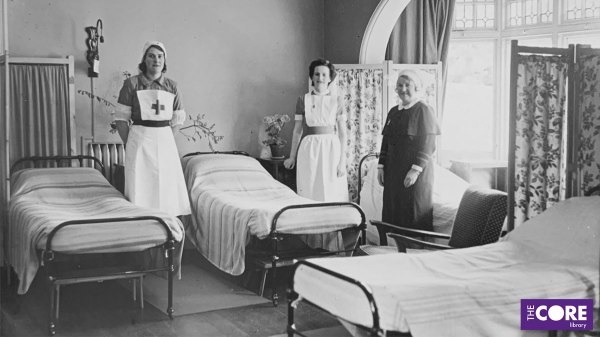
On 15th November 1940, a new Red Cross Auxiliary Hospital opened at Totehill, Blossomfield Road, Solihull. The house was built during 1901/2 and was originally the home of Stephen William Challen (1842-1937) of the Birmingham engineering firm, Taylor and Challen. It became a Red Cross convalescent home during the Second World War and was subsequently known as Red Cross House.
Continue reading “Totehill, Blossomfield Road, Solihull”Solihull War Memorial
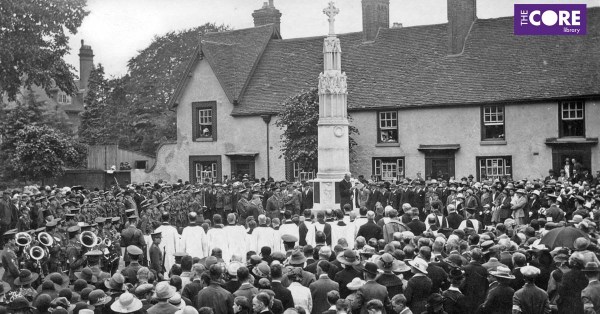
The unveiling and dedication of Solihull War Memorial in The Square, Solihull, took place on the afternoon of Sunday 19th June 1921 in a ceremony arranged by Brigadier-General Walter Robert Ludlow (1857-1941) whose youngest son had been killed at the Battle of Beaumont Hamel in 1916. This was not the first memorial to the fallen that Solihull parish had erected – a Calvary shrine had been unveiled at Easter 1917.
Continue reading “Solihull War Memorial”