Parish Councils

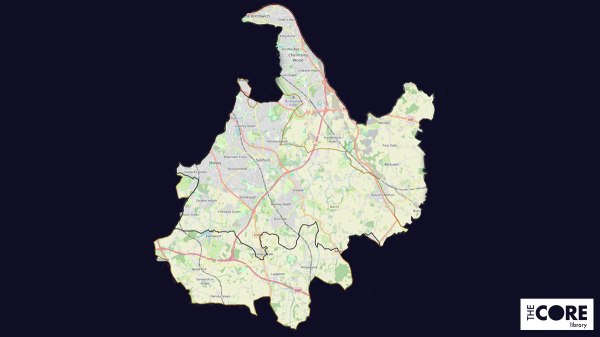
Parish councils came into existence as a result of the Local Government Act 1894, which was also known as the Parish Councils Act. Civil Parishes are the smallest areas of local government administration. The 1894 act allowed for the election of parish councils in rural areas and required the entire area of a parish to be within the same administrative county.

Continue reading “Parish Councils”

29th December 1919

Francis George Harris, formerly a Gunner with the Royal Garrison Artillery, died at Birmingham General Hospital on 29th December 1919. He had been discharged from the Army in March 1919 so does not appear as a war casualty on official records, although he is commemorated locally in the Soldiers’ Chapel, Knowle. He is also listed on the Roll of Honour for Packwood amongst those who served.

Continue reading “29th December 1919”

31st August 1918

Captain Thomas St Pierre Bunbury died, aged 23, in an air battle on 31st August 1918 whilst serving with the 64th Squadron Royal Air Force. He was the elder of the two children of Captain (later Major-General) William Edwin Bunbury (1858-1925) and Eva Mary (née Gale) who had married in Bengal in 1893.

Continue reading “31st August 1918”

9th April 1918

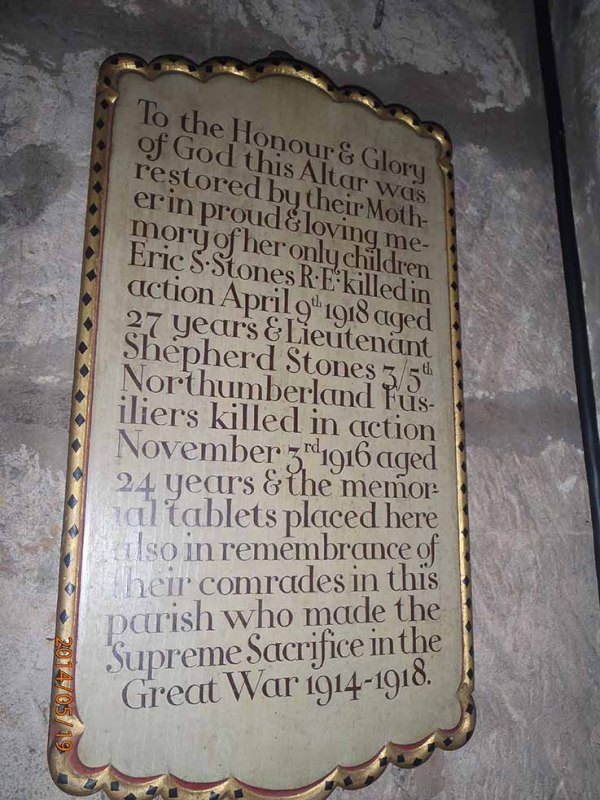
Two local men lost their lives on active service on 9th April 1918. Captain Edward Grafton Herbert MCRoyal Warwickshire Regiment but attached to the Machine Gun Corps, and Pioneer Eric Stones, 3rd Special Company, Royal Engineers. Coincidentally, both men had worked for the same Birmingham brassfoundry.

Continue reading “9th April 1918”

21st March 1918

Nine local men lost their lives on the first day of the German Spring Offensive (Operation Michael), which saw British troops subjected to one of the longest artillery bombardments of the war. Lasting for five hours from 4:20am, the barrage of over one million artillery shells smashed vital communication lines, and was followed by waves of elite German troops coming over No Man’s Land, which was shrouded in thick fog.  The Germans made swift and significant gains, with the British suffering some 50,000 casualties. British troops were ordered to withdraw, giving up much of the Somme region. However, it was not a decisive defeat, and the British were able to establish new lines of defence, whilst the rapid advance caused German supply lines to become overextended. Continue reading “21st March 1918”

17th March 1918

Second Lieutenant John Drummond Wyatt-Smith, 28th Squadron, Royal Flying Corps, died in a flying accident in northern Italy, just a few days after joining the squadron. His plane stalled on take off, nose dived and then crashed to earth. Known as Jack, he was 19 years old, and was the second of two brothers to die on active service. His older brother, Hugh, died of appendicitis on 17th February 1916 after falling ill whilst on embarkation leave.

Continue reading “17th March 1918”

21st February 1918

Lieutenant Colin Sutherland Lynden-Bell, 99th Deccan Infantry, was accidentally killed on 21st February 1918 whist on active service in Nusayrayah, Mesopotamia. He was the second and only surviving son of parents Colonel Edward Horace Lynden Lynden-Bell (1858-1922) and Mary Haigh Lynden-Bell (née Guyon) who had married in December 1891 in Dover. Both parents came from families with a long tradition of military service. Colonel Lynden-Bell was a surgeon in the Royal Medical Corps, whilst his two brothers, Charles Perceval (1862-1934) and Arthur Lynden (1867-1943) were also career officers in the Army. His father, Major-General Thomas Lynden Lynden-Bell, served in the Army for 43 years. Mary’s father was Major-General Gardiner Frederick Guyon.

Continue reading “21st February 1918”

17th February 1918

Second Lieutenant Robert Dyott Willmot, 2nd Battalion, King’s Royal Rifle Corps, was killed in action on 17th February 1918, dying at St. Julien Dressing Station Cemetery at Langemark-Poelkapelle, West Flanders. He was the second of the two sons of parents, George Dyott Willmot and  Nellie Pratchett Willmot (formerly Heatley) to be killed in the war. His elder brother, John Dyott Willmot, had been killed on 3rd July 1915.

Continue reading “17th February 1918”

15th January 1918

30-year-old Richard Lander Sale died of wounds on 15th January 1918, whilst serving as a Lieutenant with the Royal Horse Guards. He was born in Atherstone, Warwickshire in 1887 and was the second of the four sons of parents, Alfred (a solicitor) and Annie Gertrude (née Cheshire) who had married in Witherley, Leicestershire in August 1885.

Continue reading “15th January 1918”

Blog at WordPress.com.

Up ↑