Inter-war council housing in Solihull
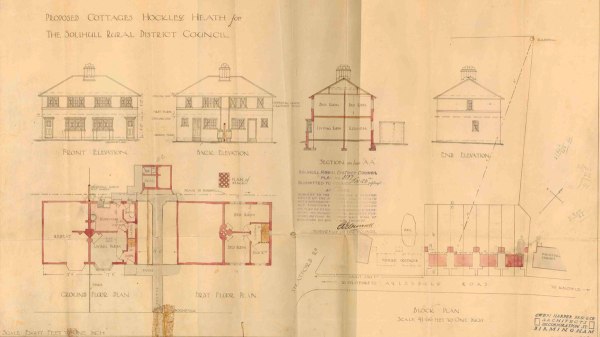
Prior to the late 19th century, housing options were limited to owning property or, as most people did, renting from a private landlord. The Housing of the Working Classes Act 1890 allowed local authorities in London to build council houses, and the first council housing was built in Bethnal Green in 1896. The Housing of the Working Classes Act 1900 extended this to the rest of the country, although it took a further 25 years for the first council houses to be built in Solihull Rural District.

Continue reading “Inter-war council housing in Solihull”

Parish Councils

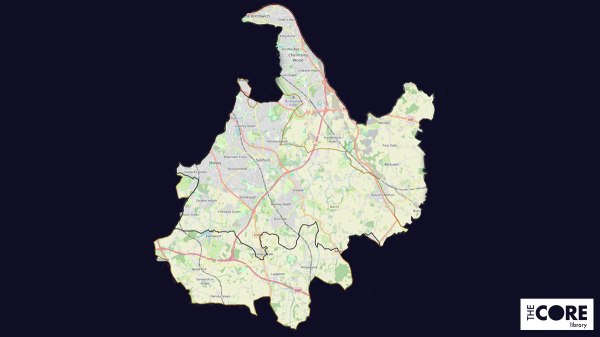
Parish councils came into existence as a result of the Local Government Act 1894, which was also known as the Parish Councils Act. Civil Parishes are the smallest areas of local government administration. The 1894 act allowed for the election of parish councils in rural areas and required the entire area of a parish to be within the same administrative county.

Continue reading “Parish Councils”

V. J. Day in Solihull, 1945

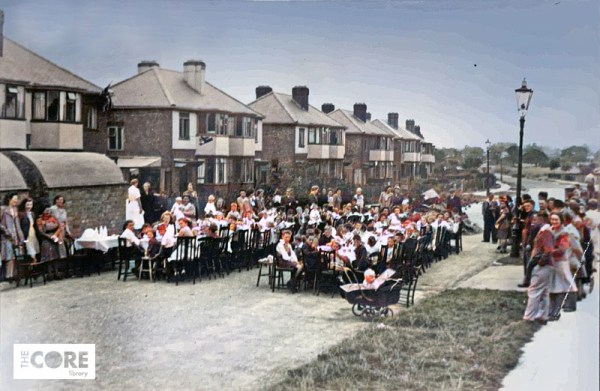
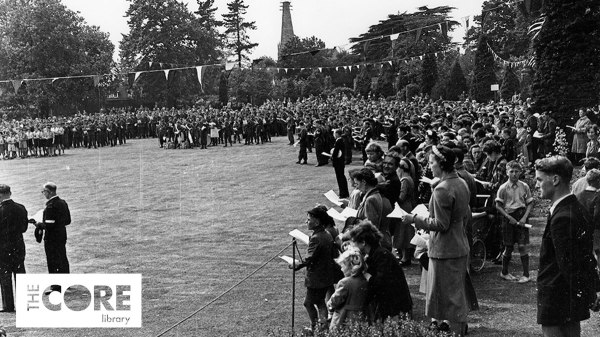
V. J. Day, 15th August 1945, marked the day when the Second World War effectively came to an end as Japan surrendered and all hostilities ceased.

The Warwick County News, 18th August 1945, summarised local events with the headline “Neighbourly co-operation was the keynote of Solihull’s VJ-Day celebrations” and the observation that the day was marked by a “mood of quiet thanksgiving or in the exuberant relief of pent-up feelings according to age or nature.”

Continue reading “V. J. Day in Solihull, 1945”

11th March 1919

24-year-old Corporal Luther Thomas Hammond, who served with the Royal Warwickshire Regiment and the Royal Air Force , died at Hill House Farm, Lapworth on 11th March 1919. The cause of death was listed on his service record as cerebral meningitis (non-tubercular). He is buried in a private grave and does not appear to be listed in Commonwealth War Graves records.

Continue reading “11th March 1919”

14th February 1919

Two local men lost their lives on 14th February 1919 as a result of their war service. Private Ernest William Ghent, 6th Reserve Company, Royal Veterinary Corps, died at home at Chadwick End, whilst Private Edgar Kibby, 3rd Field Bakery, Royal Army Service Corps, died of pneumonia at a Casualty Clearing Station in Cologne.

Continue reading “14th February 1919”

5th November 1918

27-year-old Private Thomas Bellamy, 5th Battalion, Duke of Wellington’s (West Riding Regiment) died on 5th November 1918. Born in Lapworth in 1891, he was the youngest of the three sons of parents, George (a general labourer on the Umberslade Hall estate) and Mary Ann (née Jesson) who had married at Smethwick in 1885. His eldest brother, George,  had died on 14th April 1918 and is buried at Umberslade Baptist Church.

Continue reading “5th November 1918”

Blog at WordPress.com.

Up ↑