Inter-war council housing in Solihull
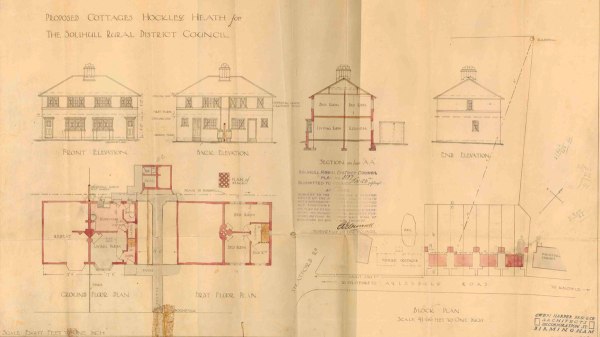
Prior to the late 19th century, housing options were limited to owning property or, as most people did, renting from a private landlord. The Housing of the Working Classes Act 1890 allowed local authorities in London to build council houses, and the first council housing was built in Bethnal Green in 1896. The Housing of the Working Classes Act 1900 extended this to the rest of the country, although it took a further 25 years for the first council houses to be built in Solihull Rural District.

Continue reading “Inter-war council housing in Solihull”

Solihull Gas Works

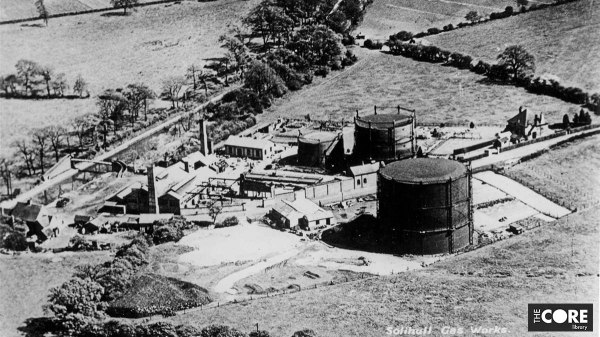
The first general ordinary meeting of the shareholders of the Solihull Gas Company Ltd was held at Solihull Town Hall, The Square, at 10am on 20th October 1869. The limited liability company was formed by a number of local people who wanted gas and the company started with capital of £2,500.

Land was purchased in Wharf Lane and the gas works was built on this site adjoining the canal – presumably to keep the smell and smoke away from residential areas. There were very few houses in the vicinity at the time – the whole area around Lode Lane and Elmdon Heath was farmland.

Continue reading “Solihull Gas Works”

W. H. Auden and Solihull

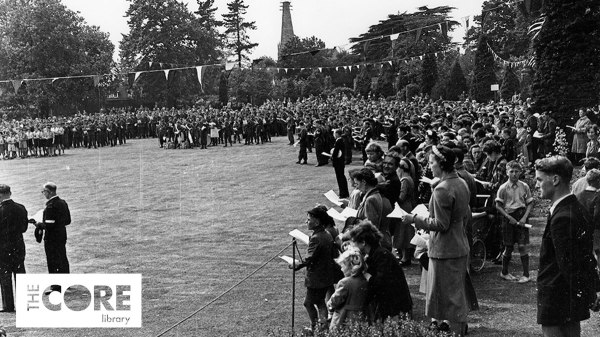
Wystan Hugh Auden was born in York on 21st February 1907 and was the youngest of the three sons of parents Dr George Augustus Auden (1872-1957) and his wife, Constance Rosalie (née Bicknell) (1869-1941), who was a trained missionary nurse, although she did not practise. Dr Auden apparently named his son for St Wystan, having being fascinated by the Parish Church of St Wystan whilst living in Repton, Derbyshire.

Continue reading “W. H. Auden and Solihull”

V. J. Day in Solihull, 1945

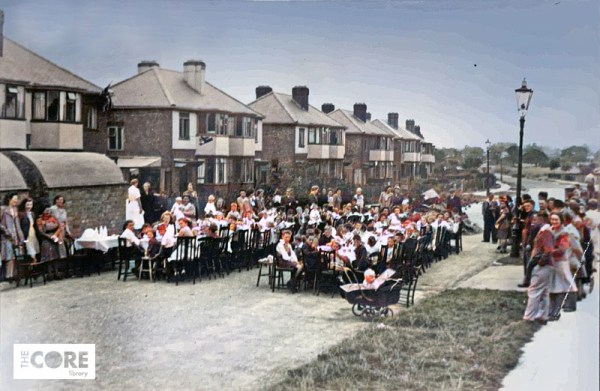
V. J. Day, 15th August 1945, marked the day when the Second World War effectively came to an end as Japan surrendered and all hostilities ceased.

The Warwick County News, 18th August 1945, summarised local events with the headline “Neighbourly co-operation was the keynote of Solihull’s VJ-Day celebrations” and the observation that the day was marked by a “mood of quiet thanksgiving or in the exuberant relief of pent-up feelings according to age or nature.”

Continue reading “V. J. Day in Solihull, 1945”

Blog at WordPress.com.

Up ↑