Parish councils came into existence as a result of the Local Government Act 1894, which was also known as the Parish Councils Act. Civil Parishes are the smallest areas of local government administration. The 1894 act allowed for the election of parish councils in rural areas and required the entire area of a parish to be within the same administrative county.
Continue reading “Parish Councils”Metropolitan Borough of Solihull
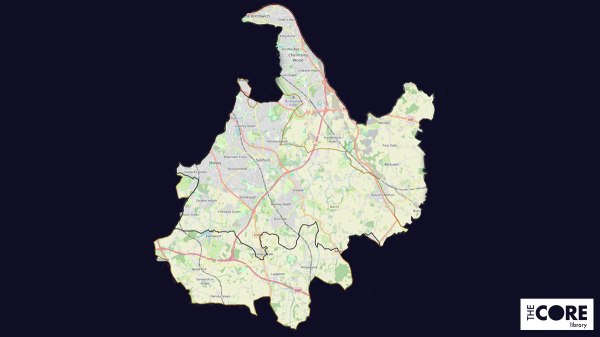
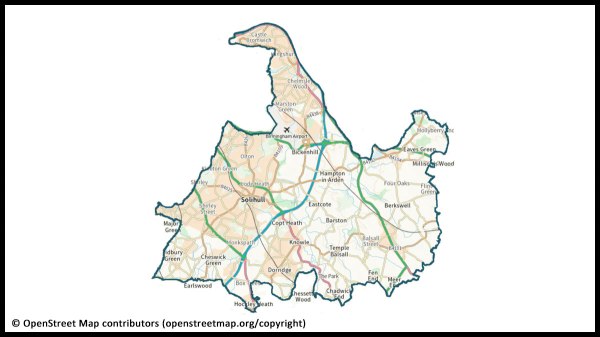
The Metropolitan Borough of Solihull came into existence on 1st April 1974. The new Metropolitan Borough comprised the former County Borough of Solihull, 10 parishes from the former Meriden Rural District and the parish of Hockley Heath from Stratford-upon-Avon Rural District.
Continue reading “Metropolitan Borough of Solihull”Solihull Coronation Festivities 1953
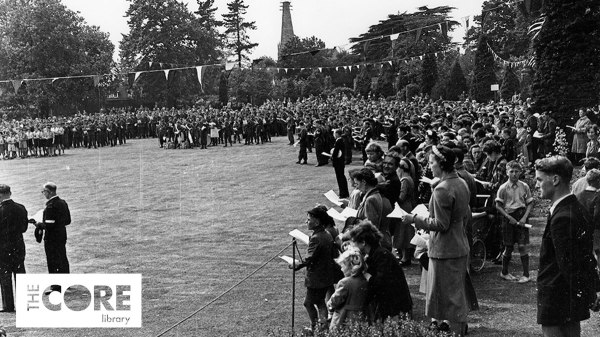
Solihull’s Coronation celebrations were spread over several weeks in 1953, rather than all taking place on Coronation Day itself – Tuesday 2nd June 1953.
Continue reading “Solihull Coronation Festivities 1953”Special education in Solihull
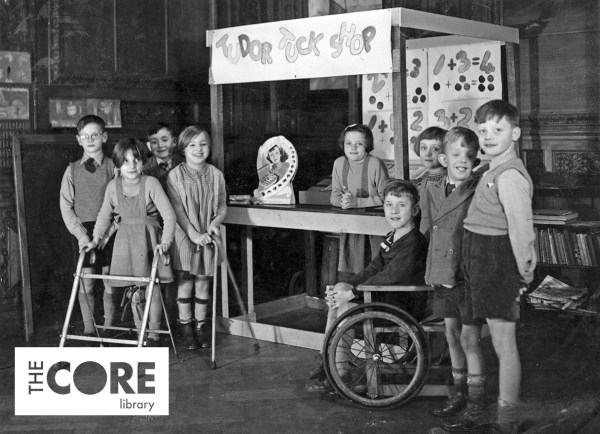
Until Solihull became a County Borough Council on 1st April 1964, the provision of state education in the area was the responsibility of Warwickshire County Council. We’re aware of five special schools in the Solihull urban/metropolitan district, catering for children with physical or learning disabilities:
- Tudor Grange (later Swanswell)
- Reynalds Cross
- Forest Oak
- Hazel Oak
- Merstone
In addition, there was also a special school at nearby Packwood Haugh, Warwickshire.
Coronation Day 1937
Wednesday 12th May 1937 saw the coronation at Westminster Abbey in London of King George VI and Queen Elizabeth. The date had been chosen for the coronation of King Edward VIII who had become king on the death of his father George V in January 1936. Although Edward VIII’s abdication in December resulted in a new king and queen on the throne, the coronation date of 12th May was retained.
In Solihull, the event was marked by a three-day carnival, which ran into the Whitsuntide weekend, and many of the villages now in the borough held their own celebrations.
6th June 1919
Sergeant Edward Arthur Irons, 9th Battalion, Royal Warwickshire Regiment (attached to the Supply and Transport Corps) died in India on 6th June 1919. He was the third of three brothers from Castle Bromwich to die as a result of service in the First World War.
28th April 1919
Captain Edwin Tufnell Hayne DSC DFC, Royal Air Force, died in a flying accident on 28th April 1919 when his plane suffered engine failure after taking off from Castle Bromwich aerodrome. He was a flying ace, credited with destroying 15 enemy aircraft during the war. He continued his RAF career after hostilities ended, flying with No.14 Aircraft Acceptance Park (AAP) from March 1919.
31st December 1918
Captain William Leefe Robinson VC died of cardiac arrest resulting from influenza. He died at Lavender Cottage, Harrow Weald, Middlesex after serving throughout the war.
He was born in India on 14th July 1895, and was the youngest of seven children. His was educated at St Bees College, Cumbria 1909-1914, and extracts from letters to his mother show he hoped to gain entrance to Sandhurst after leaving school and obtain a commission in either the Indian Army or British Army.
7th December 1918
Private Arthur Oswald Hemming died of heart failure on 7th December 1918 whilst serving with the Wiltshire Regiment. He died at home in New Street, Castle Bromwich and is buried at SS Mary & Margaret’s Church, Castle Bromwich.
28th May 1918
Private Samuel Andrews was killed on 28th May 1918 whilst serving with the 8th Battalion Machine Gun Corps. Born in Sutton Coldfield in 1887, Samuel was the third of the eight children (six sons, two daughters) of parents James (a coachman) and Maria (née Marshall).