We’ve been delighted to have on loan to us for our ‘Solihull Remembers’ exhibition 2014, a wooden memorial plaque, which was rescued by Mr G. Bragg from floods at St James’s Church, Shirley.
Boy soldiers
It is known that about 250,000 boys served on the front line during World War I, whilst being under the age of 19. This was the official age at which overseas service was permitted. This BBC guide gives a useful introduction to some of the reasons for a conspiracy of silence around the enlistment of boys, which was especially prevalent before the introduction of conscription in 1916.
The youngest authenticated combatant of the First World War is Sidney Lewis, from Tooting, South London, who was able to join up at the age of 12 years and 5 months, and saw active service on the Somme for six weeks. A letter to the War Office from his mother demanding his return resulted in his being withdrawn from the front line, discharged from the Army, and sent home.
William Edward Shilvock Wright
In an article in the Birmingham Post 22nd November 1918 reporting the death of his eldest brother, Second Lieutenant John Shilvock Wright, it is mentioned that W. E. S. Wright served at Loos and on the Somme at the age of 15, returning home after being gassed, and then rejoining on attaining military age. He was training for a commission at the time of his brother’s death.
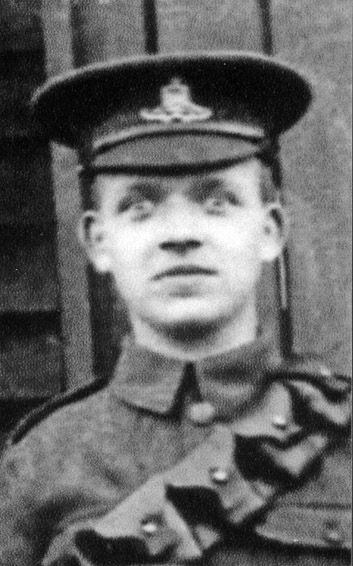
Paul Quinet, a former Belgian refugee
Paul Gustave Désiré Quinet (surname pronounced key-nay, or keeney by some) was born on 7th April 1899 in Koekelberg, Brussels. At the age of four and a half, he moved with his parents to Persia but returned to Brussels in 1906 to go to boarding school, where he remained until 1914.
His mother died in childbirth in Persia in 1908 and his father remained working there until returning to Brussels in 1913.
In 1914, after Paul proudly told his father that he had seen German troops in nearby woods, the family quickly gathered together belongings and left Brussels for the Belgian coast, taking the last train to leave before the entry of the German troops into the city.
Continue reading “Paul Quinet, a former Belgian refugee”Solihull Remembers
Our First World War exhibition is now on at the Heritage Gallery on the first floor at Solihull Central Library.
It’s on during library opening hours until 13th September 2014 so there’s plenty of time for you to come along and have a look round.
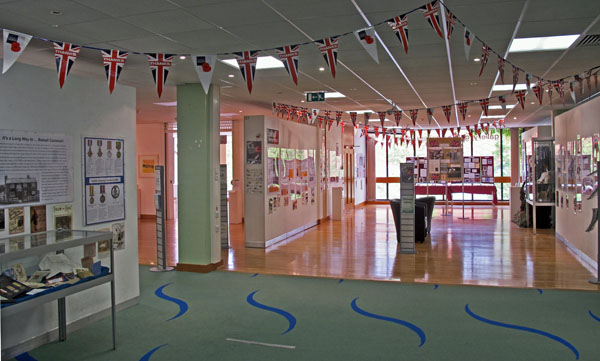
If you want to remember anyone who died in the war, or who served and survived, do fill in one of our remembrance cards and let us add it to our ‘wall of memory’. It doesn’t matter if the person wasn’t from Solihull, we’re happy for you to remember anyone you wish to include.
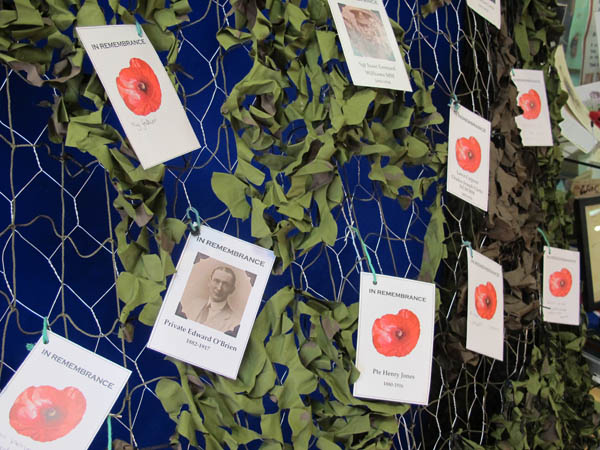
You’re welcome to fill in one of the cards when you visit or, alternatively, fill in the PDF form below and email it to us (you may need to save the file first, and then edit it). If you have a photo you’d like to include, please attach that to your email as well, and send it to us at heritage@solihull.gov.uk. We’ll then add it to the wall for you.
Tracey
Heritage & Local Studies Librarian
Belgian refugees
According to the Birmingham Daily Post, Thursday 29th October 1914, the first group of Belgian refugees to be housed in Solihull arrived the previous Saturday. Residents had responded to appeals for funds, as well as offering meat, milk and vegetables. As well as a house being set aside to accommodate the refugees, several residents took refugees into their own homes.
Continue reading “Belgian refugees” Solihull Life